Mr. Hero Husband
Mr. Hero Husband
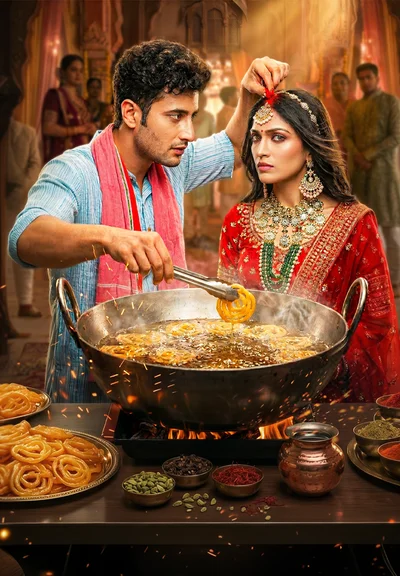
This microdrama follows Isha and Rahul as their marriage is relentlessly tested by a family and social circle obsessed with wealth, pedigree, and public image. From the outset, Isha’s mother, father, and relatives treat Rahul as an embarrassment, mocking his simple gifts, questioning his finances, and repeatedly urging Isha to leave him for a richer man such as Sanjay or Aman. Isha tries again and again to defend Rahul as sincere and hardworking, but nearly every gathering turns into another ritual of humiliation in which money becomes a weapon and love is treated as a transaction. Rahul endures accusations that he is poor, fraudulent, or socially unfit, while even his attempts to prove himself are dismissed as deception. Yet scattered signs suggest that the family’s judgment may be dangerously wrong, as cheques linked to Chairman Oberoi are honored, Rahul treats large sums casually, and expensive items associated with him turn out to be genuine. One early turning point comes when a bracelet mocked as cheap is identified as a rare and highly valuable red diamond piece, exposing how quickly the family confuses appearances with truth. Instead of softening, however, the hostility intensifies, and Rahul is even framed over that same valuable bracelet and pushed toward arrest despite his insistence that he is being set up. Isha remains one of the few people willing to stand by him, pleading for him when police and powerful relatives move against him. The conflict then expands beyond the household into corporate spaces, where Rahul is pressured to apologize, submit, or accept degrading treatment in exchange for work and approval. Rivals and executives repeatedly underestimate him, mocking him as low-class or unworthy, while Rahul refuses to surrender his dignity and warns that their arrogance will have consequences. Across hotels, parties, and business gatherings, the pattern repeats: Rahul is publicly shamed, excluded from elite spaces, and challenged to prove his worth, while Isha is pulled between loyalty to her husband and pressure from her family and wealthy suitors. These social battles steadily reveal that status in this world is unstable, because those who seem powerful are often exposed as petty, and those dismissed as beggars or frauds may hold hidden authority. The central reversal arrives when Rahul’s contested identity is finally confirmed and he is revealed as the new Chairman of the Oberoi Group, shocking the same people who had insulted, arrested, or tried to expel him. That revelation transforms the story from one of endurance under class prejudice into one of reckoning, as former tormentors scramble to apologize and powerful rivals realize they have crossed the chairman’s wife. Aman’s pursuit of Isha and the family’s attempts to separate the couple deepen the betrayal, making the conflict not only about status but about whether Isha’s marriage can survive manipulation from every side. Rahul’s rise does not erase the emotional damage caused by years of contempt, coercion, and doubt, so the stakes become both personal and social: justice for the humiliation he suffered, protection for Isha, and exposure of everyone whose loyalty depended on money. In the final movement, Rahul explains that his lowly life had been part of a three-year test of Isha’s love and of others’ loyalty, reframing many earlier humiliations as revelations of character. The show ultimately fuses romance, family melodrama, and corporate revenge into a single arc about hidden identity, class cruelty, and the dangerous cost of judging human worth by appearances alone.
- A
- Series
- hindi