Wingman No.1
Wingman No.1
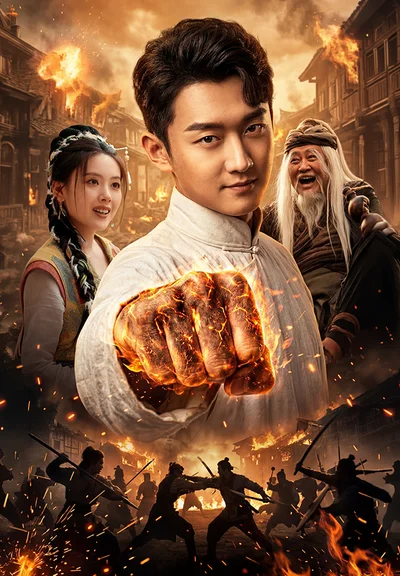
The show centers on Vivan and his father Naveen as they struggle against betrayal, class contempt, and elite power structures that repeatedly try to erase or control them. It begins with Vivan near death in a hospital, pressured to sign away assets and consent to an organ procedure, before a flatline sends him back to childhood and the day his family broke apart. In that past, his mother Kamini leaves poor laborer Naveen for wealth and refuses to take Vivan, pushing the boy to choose his father and vow that he will rise through finance. That ambition quickly becomes dangerous as Vivan makes reckless market bets with family money, drawing police scrutiny, public humiliation, and escalating wagers that tie stock performance to family honor and social standing. Again and again, Naveen refuses to abandon him, defending him before mocking elites and powerful rivals such as Gautam even when the stakes become ruinous. Their early underdog victory in the market forces humiliating concessions from opponents and opens a path into the corporate world, where public apologies, advisor offers, and summit invitations turn survival into a larger contest for influence. From there, the story expands into a sustained war of status in which staged marriages, fake public identities, and summit appearances are used to secure access, preserve reputation, and fend off exposure. Vaibhavi increasingly emerges as a crucial protector and corporate authority, publicly defending Naveen, asserting her own power, and tying her company’s fate to his credibility. Public auctions and summit spectacles become the show’s main battlegrounds, with stones, emeralds, paintings, antiques, and relics repeatedly transformed into tests of legitimacy, inheritance, and dominance. Naveen is mocked as an outsider and opportunist, yet he repeatedly identifies hidden value where elites see trash or failure, turning humiliation into sudden reversals that embarrass his rivals. Gautam, Varun, Nikhil, and other antagonists keep converting these contests into financial and social traps, demanding massive payments, public submission, or proof that Naveen’s success is undeserved. At the same time, family conflicts deepen around ancestral secrets such as the Shakti Sutra, hidden inside relics and tied to lineage, betrayal, and the right to inherit authority. These discoveries bring only temporary vindication, because every revelation triggers fresh accusations of tampering, nepotism, manipulation, or fraud. Corporate survival also remains under constant threat as canceled orders, boardroom crises, and hostile conditions force Vaibhavi and Naveen to defend both business partnerships and family honor at once. Across the series, Vivan and Naveen’s bond is the emotional core: the son keeps trying to outplay a world built to humiliate them, while the father keeps absorbing the cost of standing beside him. Kamini’s rejection and later mockery sharpen the class wound that drives much of the conflict, while elite households alternately exploit, test, and partially accept Naveen depending on what he can deliver. By the latest phase, rumors about Naveen’s rise, his ties to powerful families, and the authenticity of the emerald teapot widen the struggle from open rivalry into a broader crisis of reputation. The overall arc is one of repeated public degradation followed by startling reversals, as hidden talent and hidden treasures keep challenging inherited privilege without ever fully ending the feud. The stakes remain both intimate and expansive: whether this father-son side can secure dignity, belonging, and truth before rivals strip them of wealth, credibility, and place.
- A
- Series
- hindi