Waterman
Waterman
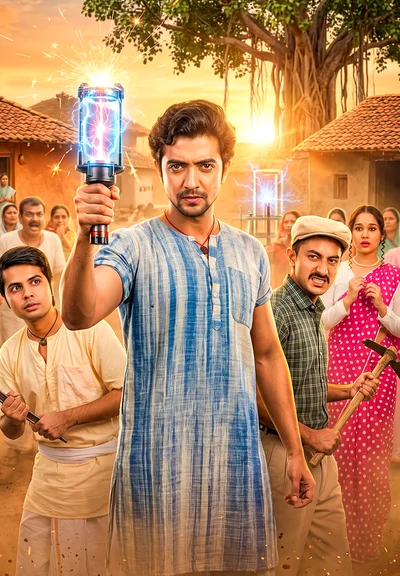
The drama centers on a drought-hit rural village where survival depends on bringing water back to the land. Across the story, reform-minded men refuse to accept migration, surrender, or the loss of farming life. They keep proposing canals, embankments, check dams, roads, and irrigation routes as practical answers to hunger and dry fields. At first, these efforts are met with ridicule, family pressure, and village skepticism. Younger people and desperate parents often want city labor, modern comforts, or immediate escape instead of long, uncertain work. The reformers, however, insist that the village can still be revived if water is controlled and shared. Their struggle is not only against drought but also against authority, since elders, sarpanches, guards, officials, and local power holders repeatedly block approval or mock the plans. Bureaucratic delay and class prejudice make the work harder, especially when hand-drawn or improvised plans are dismissed as unworthy. Even so, the builders continue digging through hard ground and rocky hillsides, trusting practical knowledge learned from the fields. Support grows slowly as some women, villagers, and elders join the effort after first doubting it. The work becomes collective labor, with people gathering tools, digging together, and waiting anxiously for the monsoon. Storms, hunger, fatigue, and threats of punishment test whether the community can hold together long enough to finish. In several moments, water finally breaks through or begins reaching the land, proving that persistence can change the village’s future. Yet the victory is never simple, because sabotage, violence, and land disputes repeatedly turn progress into danger. Some characters are beaten, blamed, driven out, or left grieving as the canal struggle intensifies. Family conflict mirrors the larger social conflict, with fathers demanding obedience and sons refusing to abandon the project. The story also frames this labor as a legacy, revealing that quiet water-saving work can become a source of family pride and communal memory. By the end, the central stake remains the same: whether the village will keep fighting for water, land, and dignity, or give in to despair.
- A
- Series
- hindi