The Last Avenger
The Last Avenger
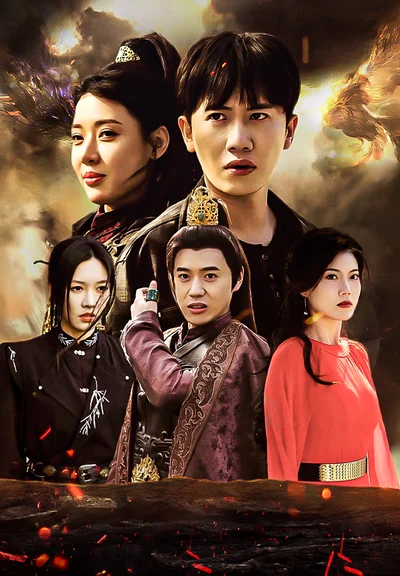
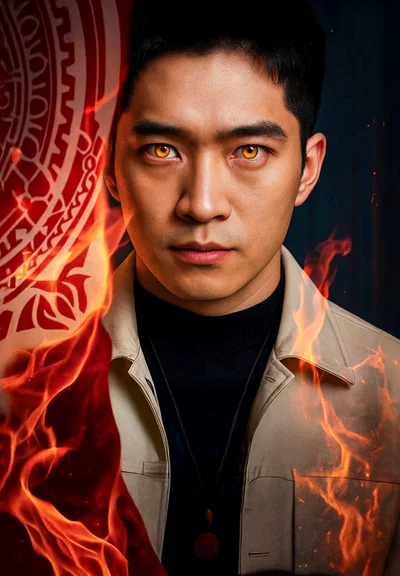
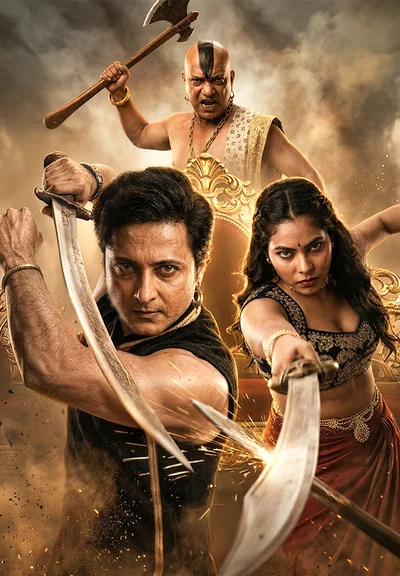
Vivan enters the story under a divine deadline, arriving on Earth with a mission to recover lost sacred weapons and avenge the destruction of his heavenly home. He infiltrates the Lin family while others suspect him of madness, weakness, or even involvement in the deaths of his parents. Very quickly, his strange confidence becomes a weapon, because he keeps revealing knowledge of hidden artifacts and confronting powerful people who expect him to submit. The Lin family is pulled into a widening crisis involving the Karma Union, elite gatherings, and public humiliation, while Riya and other insiders are forced to react to his increasingly dangerous path. Vivan repeatedly refuses surrender, even when leaders demand that the family give up, and his defiance makes him the center of a struggle over status, loyalty, and survival. A shattered locket, sacred stones, and other artifacts point toward a larger mystery, and Vivan’s actions suggest he is tied to a destiny that others do not understand. When he activates and then shatters a sacred stone, the crowd is forced to reconsider whether he is a fraud, a threat, or the true chosen one. That uncertainty deepens when he survives tests tied to the legendary weapon and is publicly recognized as its rightful wielder and leader. At the same time, enemies like Rocky, Antony, Rosario, Susan, and others keep tightening pressure through blackmail, threats, and formal trials. Vivan’s hidden mission also expands beyond revenge into a search for additional astras, making his behavior seem erratic to some and purposeful to others. Family members and allies are repeatedly endangered, and several conflicts turn on whether Vivan can protect them without exposing his larger secret. Corporate and auction disputes add another layer of humiliation and control, with accusations, compensation demands, and stolen credit all used to corner him. Even when framed for damage or forced into impossible situations, Vivan keeps pushing back and sometimes turns the situation against his opponents. His power becomes linked not only to revenge but also to legitimacy, because each public challenge reveals more clearly that he is not the powerless man others assumed. As the story escalates, divine and imperial forces begin to recognize him, and the balance of power shifts away from those who tried to dominate him. By the later arc, celestial backing, prophecy, and ritual authority all converge around Vivan, confirming that his struggle is larger than family shame or personal revenge. The show builds toward a showdown in which stolen power, buried injustice, and rightful legacy all collide around his identity.
- A
- Series
- malayalam