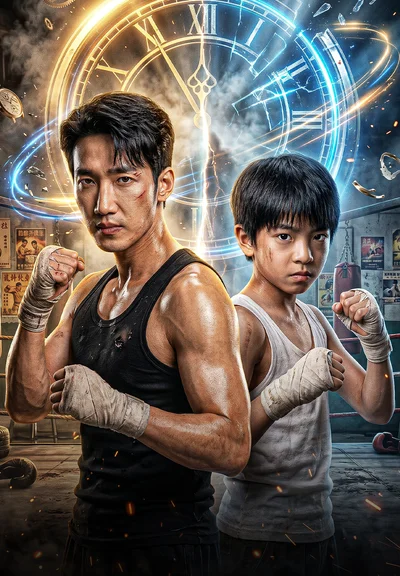
The Hero Who Walks Among Us
The Hero Who Walks Among Us
The show centers on repeated clashes between family duty, public humiliation, hidden status, and reluctant love. It opens with a retired martial figure being asked to return to a powerful past, but he refuses wealth and rank in favor of a quiet family life. Around him, several households fracture over property, money, and control, as elders are cast out, relatives seize assets, and dignity becomes harder to protect than survival. One abandoned elder is rejected by his son and daughter-in-law, yet proves his worth by rushing to save a woman in danger. That rescue opens a softer romantic thread, where gratitude and matchmaking slowly turn into hesitant affection between older adults. In another branch, Yulan enters a practical marriage arrangement that is treated more like a contract than a romance, and she repeatedly tries to manage both business pressure and family expectations. Her public life becomes increasingly unstable when a birthday gift is exposed as counterfeit, then partly explained by a mistaken switch, leaving her reputation damaged but not fully settled. The story widens into corporate and social warfare as stolen property, hidden ownership, and accusations of a frame-up threaten an empire and force a race against time to return what was taken. At the same time, an elder’s worsening illness pulls the family into conflict over treatment, with traditional knowledge, medical authority, and pride all competing for control. Yulan’s husband is repeatedly mocked for low status, yet he keeps stepping forward to help and is defended by those who see his value. Public entrances, access cards, and elite gatherings become stages for humiliation, but hidden authority can suddenly reverse the balance and expose who truly holds power. The show also leans into marriage as a battlefield, with public proposals, remarriage debates, and accusations about age, widowhood, and legitimacy. Several relationships are tested by separation, family pressure, and the fear that love will ruin status or inheritance. In one of the strongest reversals, a man long treated as ordinary is revealed to have a far greater identity than anyone expected. That revelation reshapes the crowd’s assumptions and deepens the sense that appearances in this world are unreliable. Across the whole arc, characters keep trying to protect family honor while being dragged into scandals they cannot fully control. The stakes are not only romantic or financial, but also about who gets believed, who gets welcomed home, and who is forced to live as a burden. By the end, the show has built a world where hidden power, wounded pride, and stubborn loyalty collide again and again.
- A
- Series
- hindi