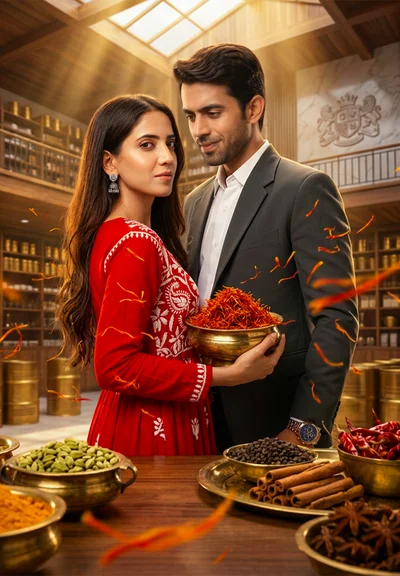
Sauda Pyaar Ka
Sauda Pyaar Ka
The story is a glossy fashion-world melodrama where status, beauty, and hidden identity constantly collide. At its center is Armaan Khanna, a powerful force behind House of A who often hides his billionaire life while presenting himself as an ordinary tailor or stylist. His marriage to Rihana/Rehana becomes the main emotional fault line, because he wants to support her without overshadowing her, while she increasingly wants independence, career control, and eventually separation. Their relationship breaks open through birthday reveals, public accusations, and repeated demands that turn love into a test of pride and power. Around them, the fashion industry becomes a battlefield where rival designers, business allies, and jealous outsiders use money, contracts, and public humiliation as weapons. Paris Fashion Week, birthday parties, dress challenges, and runway competitions all serve as stages for private betrayal to become public spectacle. Radhika and Tejas enter as part of the wider brand-and-alliance struggle, showing how quickly romance can be folded into business strategy. Vibha emerges as another major figure, first as a wounded woman facing shame and then as a serious contender whose dignity is repeatedly tested. Armaan’s feelings toward Vibha remain unstable, but he repeatedly defends her, praises her beauty, and helps her career when others try to break her down. At the same time, Vibha is pulled into humiliating romantic bargaining, including demands that love be proven through impossible gestures and possessive claims. The story repeatedly blurs the line between devotion and control, especially when marriage is treated like a transaction or a tactical move. Public scandals, including obscene-video accusations, cheating claims, and exposed secrets, keep forcing characters to choose between reputation and honesty. Several women are shown trying to reclaim agency through divorce, brand-building, or direct confrontation, even when the men around them refuse to yield. The fashion world itself is portrayed as ruthless, with hidden scars, class insults, and elite beauty standards exposed and challenged onstage. Armaan’s hidden ownership of wealth and assets eventually flips the power balance, leaving Rehana and her family stripped of the status they thought they had. That reversal pushes the drama into darker territory, where punishment, legal attacks, and demands for obedience replace any stable romance. By the end of the batch, nearly every relationship is fractured, and the central stakes are no longer just love or marriage but dignity, control, and survival in a world that rewards spectacle over truth.
- A
- Series
- hindi