Main Bhi Buddhu
Main Bhi Buddhu
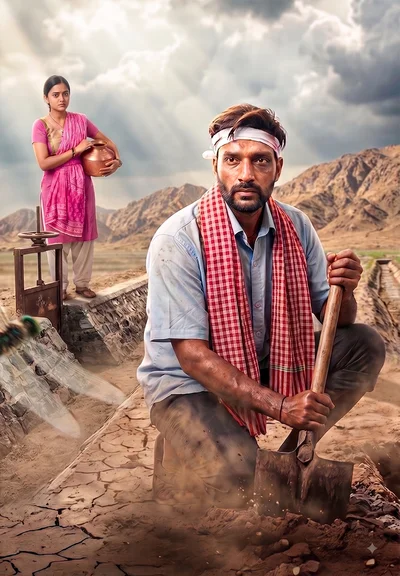
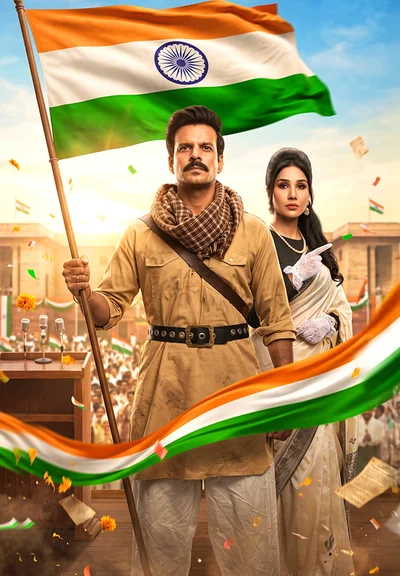
The show follows a college world where dignity is constantly tested by class, hierarchy, and public shame. Students from poorer backgrounds are mocked for their branches, their jobs, and even their clothes, yet many of them keep proving their ability in class, work, and campus life. Buddhu emerges as a bold underdog who starts as a target of ridicule but gradually becomes a visible leader for students facing ragging and institutional bias. His path is tied to other working students, including delivery workers and scholarship students, whose survival depends on balancing study, labor, and humiliation. Akira’s storyline adds personal pressure, since private relationships and academic trouble keep spilling into public view. The campus authorities rarely protect the vulnerable at first, and hostel seniors, professors, and officials often seem to tolerate abuse or use discipline to control juniors. That pressure pushes students toward resistance, first through small acts of defiance and later through organized campaigning and student politics. Posters are torn, supporters are punished, and campaigners are threatened, but the movement keeps rebuilding itself. The election struggle becomes a larger fight over marks, scholarships, attendance, fake lists, and manipulated records, suggesting that the campus system itself is rigged. A delivery-worker student’s name appearing in a suspicious voters list deepens the sense that power is being hidden behind paperwork. As the contest grows, rivals use money, intimidation, and violence to block challengers, while allies step in with loans, support, and public backing. Buddhu’s rise brings both recognition and backlash, showing that success on this campus comes with a price. Even when he wins support or survives an attack, the conflict does not disappear, because the same hierarchy keeps trying to reassert itself. The story also leaves room for mixed personal ties, especially around romance and old relationships that remain unresolved. By the later stretch, some institutional reforms begin to appear, such as restored scholarships and cleared records, but they arrive only after sustained pressure. The overall arc is one of survival turning into resistance, and resistance turning into a broader demand for fairness. In the end, the show frames campus life as a struggle to study, work, and love without being crushed by status and corruption.
- A
- Series
- hindi