Maa Vidaakula Pandaga
Maa Vidaakula Pandaga
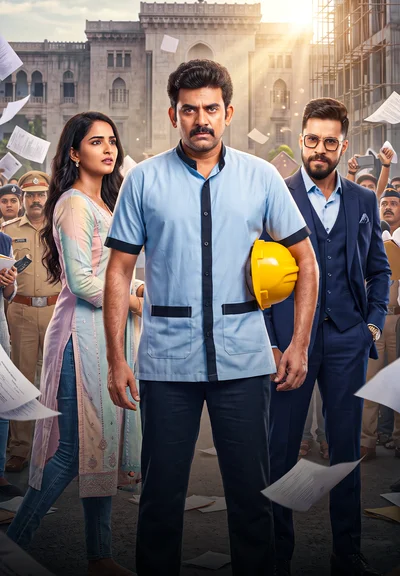
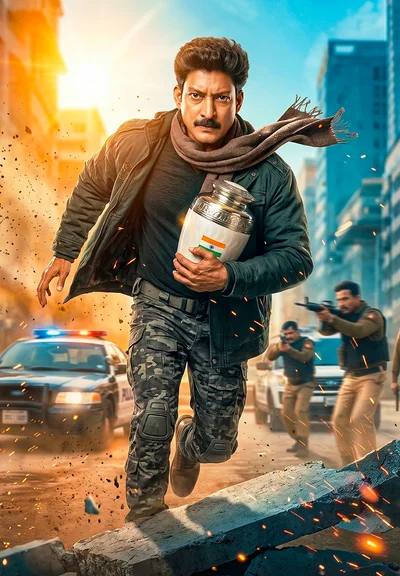
The story begins with a humble rural image that hides a much larger power structure, as Chandram is gradually revealed to be Harichandran, the man tied to Annadhata Groups and the land the villagers depend on. Even after that reveal, he keeps presenting himself as an ordinary farmer, insisting that his real wish is only for Shweta to return. When Shweta does come back, the reunion does not heal anything, because another man also claims her as his wife and the past immediately becomes a fight over marriage, legitimacy, and betrayal. As more family members enter the conflict, the dispute widens into arguments over debt, school fees, dowry, land, and social status. The show repeatedly uses old photos, divorce papers, and public accusations to force buried history into the open. Hari and Shwetha’s relationship becomes the center of a painful triangle of claims, with each side insisting on a different version of the marriage and the family refusing to let the matter stay private. The children are pulled into the fallout as well, especially around Keerthi and Vishwa, whose identities and futures are repeatedly tied to the adults’ unresolved past. A separate thread reveals that Keerthi has taken a confidential ISRO assignment, which leaves Hari vulnerable and deepens the sense of absence in the family. When Hari is attacked and hospitalized, CCTV evidence points toward Vijay Gowda and his wife, turning the domestic conflict into a matter of revenge and justice. The hospital and party settings then become stages for humiliation, where hidden marriages, class pride, and family alliances are exposed before a crowd. Shwetha’s accusations grow more serious when she publicly claims abuse, while others counter with their own charges about fraud, abandonment, and false claims to property. The land and inheritance battle becomes just as important as the marriage battle, especially when Swetha returns to fight for her father’s house and farmland. Harichandran and Hari are repeatedly forced to defend ownership, dignity, and the truth of their past against people who want signatures, control, or public shame. Violence escalates beyond words when guards, threats, and gunshots enter the conflict, showing that the struggle is no longer only emotional or legal. Hari’s survival after a knife attack depends on Latha, whose bone marrow donation makes her sacrifice central to the story. That rescue shifts the emotional balance, because Hari promises to stay by Latha’s side even as old attachments to Shweta remain unresolved. Meanwhile, business power collapses around Vijay Gowda, Shwetha, and others as blacklisting, frozen assets, arrests, and exposed debts strip away their security. In the end, the story keeps circling between hidden parentage, broken marriages, and property wars, while the final tone suggests that some relationships may still be rebuilt even as the larger family conflict remains unsettled.
- A
- Series
- telugu