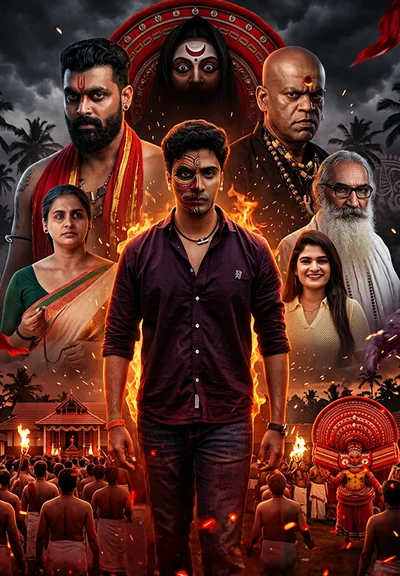
Chandravansham
Chandravansham
The story is driven by repeated struggles over lost children, hidden lineage, and the pain of being separated from family. Aryaveer begins in crisis, demanding the truth about the family he was torn from and threatening self-destruction if the secret is not revealed. His spiritual guide does not fully answer him at first, instead warning that the outside world will test his inner weakness before any truth can be safely uncovered. A moon-like mystical gem is eventually revealed as a possible path toward his lost family, but the search remains uncertain and dangerous. Around him, the world is filled with warriors, rulers, mothers, and princesses whose conflicts all circle the same questions of identity and legitimacy. Urmila repeatedly stands at the center of these tensions, defending others, confronting enemies, and insisting on the truth of a lost son or hidden connection even when others reject her claims. Royal pride and public humiliation deepen the conflict, as rivals challenge one another, claim marriages, and turn private bonds into matters of court judgment. Several children and young heirs are treated as burdens, impostors, or threats, while mothers and protectors fight to keep them alive and recognized. Sacred objects such as stones, gems, amulets, trees, and divine weapons become tied to fate, suggesting that bloodline and destiny cannot be separated from power. The war expands across kingdoms, with invading rulers, battlefield strategy, and brutal assaults forcing everyone into open conflict. Aryaveer is repeatedly pulled between spiritual instruction and violent confrontation, as his identity is challenged and his worth is tested in battle. At one point, the question of whether he is truly the rightful wielder of a divine weapon becomes central, turning combat into a test of legitimacy rather than strength alone. Other figures face similar trials, including a hidden prince whose lineage is exposed and then disputed by nobles and warriors. A teacher figure insists that identity must sometimes remain hidden until family is found, showing how truth itself can be dangerous. Betrayal, poison, and attacks from behind widen the sense that no bond is secure. Even when characters offer warmth, healing, or forgiveness, those gestures are shadowed by fear, pride, and unresolved guilt. By the end of the batch, the central stakes remain unresolved: who belongs to which family, who has the right to rule or wield sacred power, and whether the truth can be revealed without destroying the people it is meant to save.
- A
- Series
- malayalam