A Martyr's Last Wish
A Martyr's Last Wish
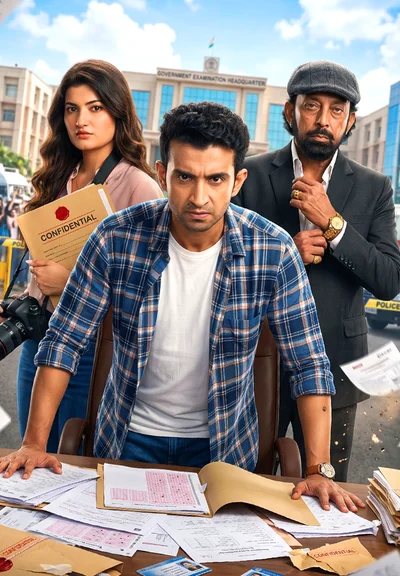
Captain Vikram Rajput’s legacy drives the entire story, as his ashes, his final wish, and the honor due to him become the center of repeated conflict. Angad stands at the heart of that struggle, insisting that Vikram’s ashes be taken to village soil as instructed, even when authorities, politicians, and powerful families try to control the outcome. A senior military officer and later the Brigadier repeatedly confirm Vikram’s service and defend his dignity, framing the ashes as sacred rather than political property. The government’s memorial plans clash with the family’s wishes, and that clash pushes the story into chases, confrontations, and public standoffs. As Angad tries to carry out the rites, he is pursued, blocked, accused of lying, and forced into dangerous situations that include crashes, explosions, and police pressure. The ashes also become a public symbol, drawing in wealthy and hostile figures who turn the matter into a class and status battle. Sunaina Singhania and other privileged characters repeatedly humiliate outsiders, only for those confrontations to expose deeper tensions about pride, entitlement, and respect. Several roadside and street-level disputes escalate into violence, with insults, slaps, and retaliatory fights replacing any chance of calm resolution. Hidden military ties and family connections surface along the way, suggesting that the conflict is not only about money or status but also about buried loyalties and inherited duty. Blackmail and humiliation further intensify the atmosphere, especially when a threatening video is used to force compliance. The story also widens into family-business pressure, with debt, a military deal, and urgent calls adding another layer of instability. In one major turn, a missing support payment becomes a family scandal when Sunaina admits the money was never delivered, exposing a lie that triggers a patriarch’s collapse and death. That death shifts the conflict from argument to grief, blame, and legal retaliation, while police insist the matter will be handled through law. Throughout the batch, Angad continues to challenge wealth, authority, and hypocrisy, arguing that loyalty and duty matter more than public image or money. The repeated clashes leave the central mission unresolved for much of the story, but they steadily sharpen the stakes around honor, truth, and the right to decide how a martyr is remembered.
- A
- Series
- hindi