•2024•33 Episodes•559K+
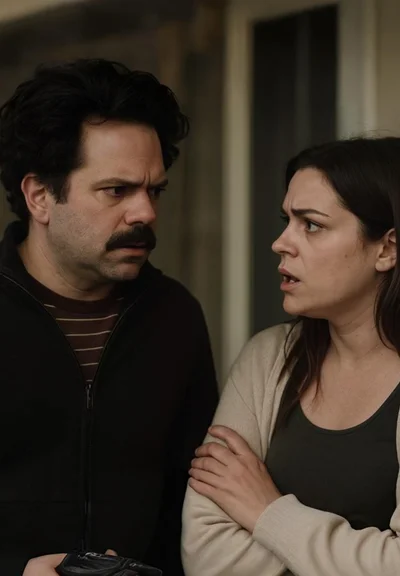
The show follows a widening crisis in which private relationships, workplace frustrations, and survival threats keep colliding. It begins with ordinary domestic and professional routines under strain: an exhausted employee feels unseen after years of waiting for recognition, while another couple argues over medication, future children, and the refusal to rest. Around them, care is repeatedly shown as fragile, whether through a tired performer being looked after after a gig or a worker pushing through exhaustion until the system around him fails. Social visits and meals rarely stay polite for long, because awkward neighbors, old grievances, and pointed questions quickly turn conversations into suspicion. As the pressure rises, talk of contaminated soil, a pharmaceutical cover-up, and visible injuries suggests that something larger and more dangerous may be unfolding beneath the surface. The show then broadens into open relationship breakdowns, with betrayals exposed, kisses discovered, and long-standing resentment forcing couples apart. Attempts to explain, apologize, or mediate often collapse into sobbing, shouting, or physical struggle instead of resolution. At the same time, rumors of disappearance and death make every confrontation feel more urgent and less containable. A wider civic emergency overtakes the personal drama as water becomes scarce, supplies vanish, and official systems fail to respond. Radio reports confirm contamination and hazardous conditions, turning ordinary needs like drinking water into a matter of survival. Neighborhoods and small groups are pushed into rationing, bargaining, and suspicion, especially when empty containers and missing people trigger accusations. Pregnancy and the possibility of a child raise the stakes even further, making every decision about movement, shelter, and trust feel heavier. Some characters try to flee, others try to protect loved ones, and others are forced into risky bargains with men who control water, fuel, or access. The threat is not only environmental but also social, because predatory leverage, coercion, and violence repeatedly shape who gets to move and who gets trapped. Even when people form temporary truces or make plans to escape, those plans are interrupted by extortion, panic, or sudden aggression. By the end, no stable refuge has emerged, and the characters remain caught between collapsing relationships and an increasingly hostile world.
The show follows a widening crisis in which private relationships, workplace frustrations, and survival threats keep colliding. It begins with ordinary domestic and professional routines under strain: an exhausted employee feels unseen after years of waiting for recognition, while another couple argues over medication, future children, and the refusal to rest. Around them, care is repeatedly shown as fragile, whether through a tired performer being looked after after a gig or a worker pushing through exhaustion until the system around him fails. Social visits and meals rarely stay polite for long, because awkward neighbors, old grievances, and pointed questions quickly turn conversations into suspicion. As the pressure rises, talk of contaminated soil, a pharmaceutical cover-up, and visible injuries suggests that something larger and more dangerous may be unfolding beneath the surface. The show then broadens into open relationship breakdowns, with betrayals exposed, kisses discovered, and long-standing resentment forcing couples apart. Attempts to explain, apologize, or mediate often collapse into sobbing, shouting, or physical struggle instead of resolution. At the same time, rumors of disappearance and death make every confrontation feel more urgent and less containable. A wider civic emergency overtakes the personal drama as water becomes scarce, supplies vanish, and official systems fail to respond. Radio reports confirm contamination and hazardous conditions, turning ordinary needs like drinking water into a matter of survival. Neighborhoods and small groups are pushed into rationing, bargaining, and suspicion, especially when empty containers and missing people trigger accusations. Pregnancy and the possibility of a child raise the stakes even further, making every decision about movement, shelter, and trust feel heavier. Some characters try to flee, others try to protect loved ones, and others are forced into risky bargains with men who control water, fuel, or access. The threat is not only environmental but also social, because predatory leverage, coercion, and violence repeatedly shape who gets to move and who gets trapped. Even when people form temporary truces or make plans to escape, those plans are interrupted by extortion, panic, or sudden aggression. By the end, no stable refuge has emerged, and the characters remain caught between collapsing relationships and an increasingly hostile world.
Thirst is a Thriller Story in Hindi, streaming on Kuku TV.
Thirst has 33 episodes, watched over 559K+ times on Kuku TV.
Thirst is available to watch in Hindi on Kuku TV.
Thirst was released in 2024 and is streaming on Kuku TV.
Thirst is rated A.
The cast of Thirst includes Digital Emotions Private Limited.
You can watch Thirst online on Kuku TV or download the Kuku TV app to start playing. Open any episode above to start watching instantly.