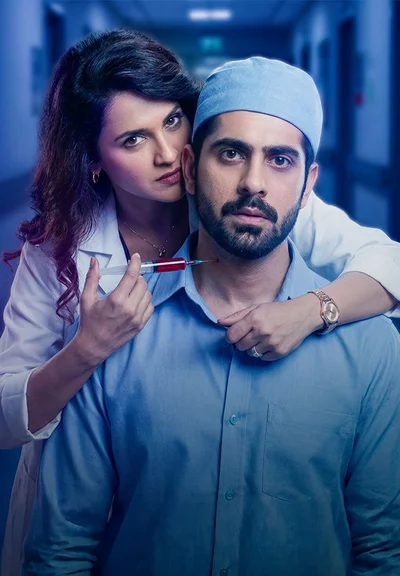
The show follows a medical thriller where emergencies repeatedly collide with pride, class, and institutional power. It opens with coercion and violence, then quickly moves into a pattern of desperate rescues where doctors are distrusted even when they may be right. A critically injured child becomes one of the first major tests, and improvised treatment is delayed by panic, police suspicion, and official obstruction. Shiva and Sathya are both treated as threats while insisting they can save the child, and their warnings are only partly believed when a real doctor begins to see the truth. Kanishka, the Health Minister’s daughter, becomes a crucial force by using her influence to push through emergency care when officials hesitate. Her father’s condition raises the stakes further, since the minister is repeatedly shown to be in immediate danger and time is always running out. Inside the hospital, senior doctors clash over who has the right to lead treatment, and those clashes often slow care at the worst possible moment. Vedanth emerges as a central figure, but his authority is shadowed by a canceled license, a past intoxication incident, and suspicion about his background. At the same time, the story reveals that he has been carrying secret heart research for years, suggesting that the people dismissed as low-status may hold the answers. Viraj and other senior figures repeatedly block, humiliate, or challenge those trying to act, turning the hospital into a battlefield over status as much as medicine. Nisha’s relationship with Rahul also collapses under pressure from class difference, marriage expectations, and career ambition. That personal conflict mirrors the larger theme of people being judged by rank rather than skill. As the minister’s case worsens, Vedanth and Kanishka are drawn into high-risk treatment decisions that depend on trust, speed, and unconventional methods. The batch also suggests that public accusations and legal threats hang over unauthorized procedures, making every rescue politically dangerous. By the end, the minister is saved from immediate danger, and the story shifts from doubt toward recognition. Doctor Vishwas is publicly credited with proving Vedanth’s technique works, which turns earlier humiliation into applause and vindication. The closing mood suggests a possible comeback for those once dismissed, even as the larger struggle between medical truth and authority remains central.
The show follows a medical thriller where emergencies repeatedly collide with pride, class, and institutional power. It opens with coercion and violence, then quickly moves into a pattern of desperate rescues where doctors are distrusted even when they may be right. A critically injured child becomes one of the first major tests, and improvised treatment is delayed by panic, police suspicion, and official obstruction. Shiva and Sathya are both treated as threats while insisting they can save the child, and their warnings are only partly believed when a real doctor begins to see the truth. Kanishka, the Health Minister’s daughter, becomes a crucial force by using her influence to push through emergency care when officials hesitate. Her father’s condition raises the stakes further, since the minister is repeatedly shown to be in immediate danger and time is always running out. Inside the hospital, senior doctors clash over who has the right to lead treatment, and those clashes often slow care at the worst possible moment. Vedanth emerges as a central figure, but his authority is shadowed by a canceled license, a past intoxication incident, and suspicion about his background. At the same time, the story reveals that he has been carrying secret heart research for years, suggesting that the people dismissed as low-status may hold the answers. Viraj and other senior figures repeatedly block, humiliate, or challenge those trying to act, turning the hospital into a battlefield over status as much as medicine. Nisha’s relationship with Rahul also collapses under pressure from class difference, marriage expectations, and career ambition. That personal conflict mirrors the larger theme of people being judged by rank rather than skill. As the minister’s case worsens, Vedanth and Kanishka are drawn into high-risk treatment decisions that depend on trust, speed, and unconventional methods. The batch also suggests that public accusations and legal threats hang over unauthorized procedures, making every rescue politically dangerous. By the end, the minister is saved from immediate danger, and the story shifts from doubt toward recognition. Doctor Vishwas is publicly credited with proving Vedanth’s technique works, which turns earlier humiliation into applause and vindication. The closing mood suggests a possible comeback for those once dismissed, even as the larger struggle between medical truth and authority remains central.
Sakalakala Doctor is a Drama Series in Tamil, streaming on Kuku TV.
Sakalakala Doctor has 53 episodes, watched over 518K+ times on Kuku TV.
Sakalakala Doctor is available to watch in Tamil on Kuku TV.
Sakalakala Doctor was released in 2026 and is streaming on Kuku TV.
Sakalakala Doctor is rated U/A 13+.
The cast of Sakalakala Doctor includes Shashank Gourav Das, Vignesh, Rithika, Sagar Manani, and Nishthar.
You can watch Sakalakala Doctor online on Kuku TV or download the Kuku TV app to start playing. Open any episode above to start watching instantly.