•2026•71 Episodes•2M+
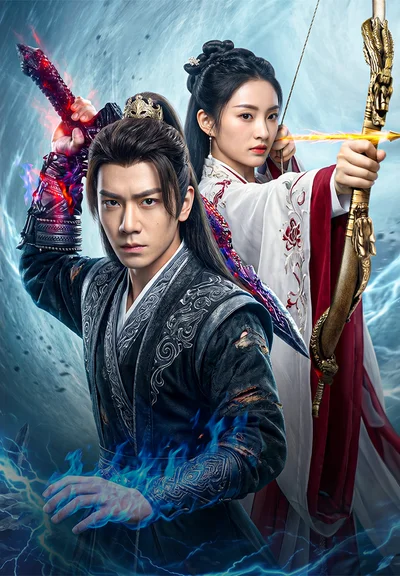
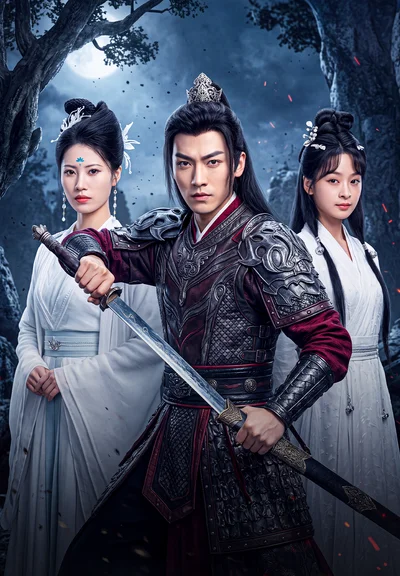
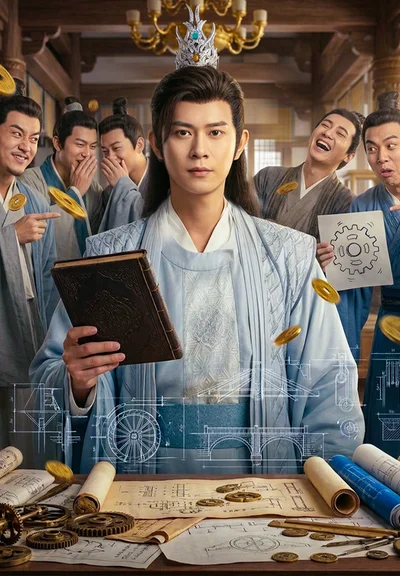
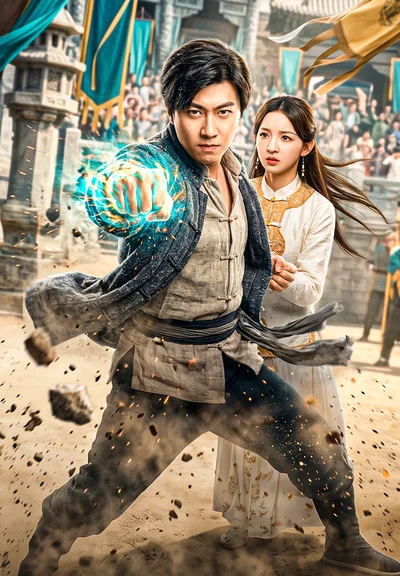
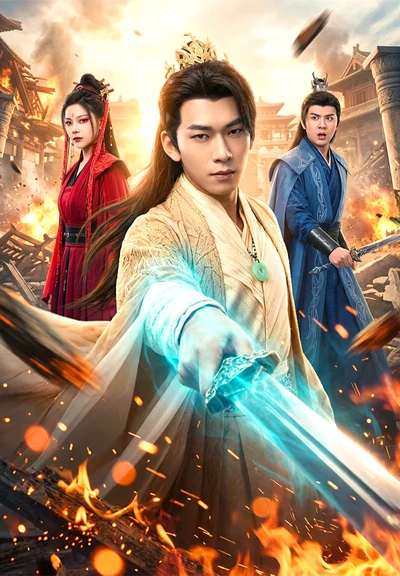
The show follows a broad wuxia and cultivation arc built around hidden power, family shame, and the cost of strength. At its center are several men and women who are repeatedly judged by rank, engagement, and public tests, only to reveal that the people others dismiss may already be far stronger than they appear. One thread begins with Samrat, a legendary warrior who has spent thirty years striking a Tian rock in grief and self-blame after the death of the woman he loved. When the rock finally cracks and bursts apart, the release does not bring peace, because his father meets him with harsh words and the wound between them remains open. Another thread follows Fu Jue, who is mocked as weak, pressured by his father, rivals, and even his fiancée, and threatened with exile if he fails a coming competition. Yet each humiliation pushes him closer to exposing hidden status and sword mastery, making it harder for those around him to deny his worth. Around him, romance is never separate from power, since engagements are treated as public proof of strength and can be broken or preserved only through cultivation and victory. Prerna and Raina are forced to endure public pressure over a missing fiance, while Kaivan and other rivals try to turn her uncertainty into a breakup. Fu Jue repeatedly refuses to surrender his sword or his place, and the story keeps returning to the idea that strength must be proven before love can survive. In the palace and household arcs, succession becomes a battlefield of its own, with an aging patriarch secretly restoring an exiled younger son and placing hope in the next generation. Family bonds are shown as damaged by grief, old accusations, and the fear of disgrace, but some fathers also soften into regret and apology. Several younger characters choose to stay and train rather than flee, suggesting that endurance itself is part of their growth. The cultivation trials escalate quickly, with mysterious stones, sword-energy tests, and rank gaps exposing who has advanced and who has merely claimed status. Some fighters are humiliated, some are accused of cheating, and others suddenly reveal mastery that shocks the court. Ya Huan becomes one of the clearest examples of this reversal, transforming from a dismissed servant into a terrifying powerhouse whose strength comes from within herself. Her rise overturns old hierarchies and leaves former acquaintances unable to approach her as before. Sect conflict then widens the struggle beyond family, as rival factions mock the kingdom, defectors align with stronger powers, and palace authority is openly challenged. Fu-Li and his allies turn succession disputes into sect-versus-clan conflict, while other figures are forced to confront the gap between their current rank and the power now gathering around them. The later arc grows darker as tribulations, demon-linked survival, and dangerous mentors show that rapid advancement can be as deadly as weakness. Aira and other immortals are drawn into these pressures, with loyalty, jealousy, and service becoming tangled around the new palace master. In the end, the scale expands from household disgrace to cosmic conflict, as a sword sage defeats the demon leader Yao Huan, spares her to preserve balance, and then realizes that even godlike power has become a burden. Rather than remain trapped in court glory, he leaves palace life behind for secluded cultivation, closing the show on withdrawal, unresolved rivalry, and the sense that true strength may require stepping away from power rather than seizing it.
The show follows a broad wuxia and cultivation arc built around hidden power, family shame, and the cost of strength. At its center are several men and women who are repeatedly judged by rank, engagement, and public tests, only to reveal that the people others dismiss may already be far stronger than they appear. One thread begins with Samrat, a legendary warrior who has spent thirty years striking a Tian rock in grief and self-blame after the death of the woman he loved. When the rock finally cracks and bursts apart, the release does not bring peace, because his father meets him with harsh words and the wound between them remains open. Another thread follows Fu Jue, who is mocked as weak, pressured by his father, rivals, and even his fiancée, and threatened with exile if he fails a coming competition. Yet each humiliation pushes him closer to exposing hidden status and sword mastery, making it harder for those around him to deny his worth. Around him, romance is never separate from power, since engagements are treated as public proof of strength and can be broken or preserved only through cultivation and victory. Prerna and Raina are forced to endure public pressure over a missing fiance, while Kaivan and other rivals try to turn her uncertainty into a breakup. Fu Jue repeatedly refuses to surrender his sword or his place, and the story keeps returning to the idea that strength must be proven before love can survive. In the palace and household arcs, succession becomes a battlefield of its own, with an aging patriarch secretly restoring an exiled younger son and placing hope in the next generation. Family bonds are shown as damaged by grief, old accusations, and the fear of disgrace, but some fathers also soften into regret and apology. Several younger characters choose to stay and train rather than flee, suggesting that endurance itself is part of their growth. The cultivation trials escalate quickly, with mysterious stones, sword-energy tests, and rank gaps exposing who has advanced and who has merely claimed status. Some fighters are humiliated, some are accused of cheating, and others suddenly reveal mastery that shocks the court. Ya Huan becomes one of the clearest examples of this reversal, transforming from a dismissed servant into a terrifying powerhouse whose strength comes from within herself. Her rise overturns old hierarchies and leaves former acquaintances unable to approach her as before. Sect conflict then widens the struggle beyond family, as rival factions mock the kingdom, defectors align with stronger powers, and palace authority is openly challenged. Fu-Li and his allies turn succession disputes into sect-versus-clan conflict, while other figures are forced to confront the gap between their current rank and the power now gathering around them. The later arc grows darker as tribulations, demon-linked survival, and dangerous mentors show that rapid advancement can be as deadly as weakness. Aira and other immortals are drawn into these pressures, with loyalty, jealousy, and service becoming tangled around the new palace master. In the end, the scale expands from household disgrace to cosmic conflict, as a sword sage defeats the demon leader Yao Huan, spares her to preserve balance, and then realizes that even godlike power has become a burden. Rather than remain trapped in court glory, he leaves palace life behind for secluded cultivation, closing the show on withdrawal, unresolved rivalry, and the sense that true strength may require stepping away from power rather than seizing it.
Rise of the Sword King is a Fantasy Series in Hindi, streaming on Kuku TV.
Rise of the Sword King has 71 episodes, watched over 2M+ times on Kuku TV.
Rise of the Sword King is available to watch in Hindi on Kuku TV.
Rise of the Sword King was released in 2026 and is streaming on Kuku TV.
Rise of the Sword King is rated A.
The cast of Rise of the Sword King includes Manoranjana Ira and Tilak Dubey.
You can watch Rise of the Sword King online on Kuku TV or download the Kuku TV app to start playing. Open any episode above to start watching instantly.