•2026•40 Episodes•59K+
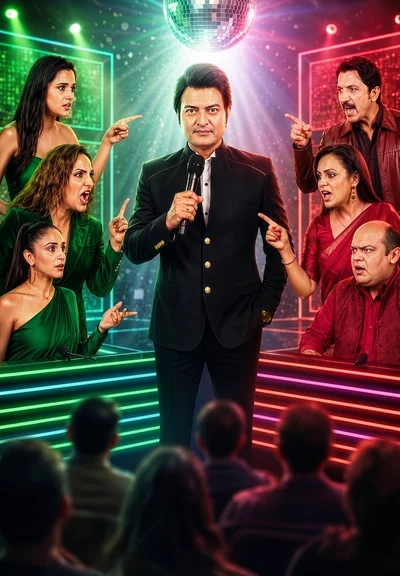
Point of View Clash is a loud studio debate show built around public confrontation, with a host, moderator, and judge pushing each round forward while the audience reacts to every blow. The series begins by establishing a competitive arena where outspoken panelists argue over astrology, superstition, science, faith, and accountability. Astrology becomes the first major fault line, with skeptics calling it fear-based manipulation and defenders presenting it as ancient wisdom, guidance, and inherited knowledge. The show keeps widening that dispute into practical questions about marriage matching, rituals, gemstones, and whether astrologers should be blamed for failed predictions. As the format settles in, the debates shift from belief systems to social rights, especially the question of consent inside marriage. In those episodes, one side treats intimacy as marital duty, while the other insists that marriage does not erase bodily autonomy or the right to say no. The conflict grows sharper as speakers bring in refusal, discomfort, emotional strain, and the idea that double standards would look different if the roles were reversed. Another recurring arena asks whether English fluency or raw talent should define success, and the panel splits over class, identity, and access to jobs. English is defended as a practical tool for interviews, corporate life, networking, and business reach, while opponents argue that skill, confidence, and effort matter more than accent or vocabulary. That argument also touches rural students, Hindi-medium education, and the way language can exclude capable people from being seen. The show then turns to marriage and economics again through the question of whether a house husband should receive alimony after divorce. Traditional voices argue that men should provide and should not depend on wives, while progressive voices frame domestic labor and childcare as real unpaid work that can justify support. Across these debates, the panel repeatedly returns to double standards around gender, duty, shame, and respect. The hosts and moderators keep the exchanges moving, but they do not resolve the conflicts. Instead, each topic becomes another test of whether tradition should still decide social rules. By the end of the batch, the show’s core identity is clear: it is a high-energy battleground where conviction, rhetoric, and crowd reaction drive unresolved clashes over belief, language, marriage, and equality.
Point of View Clash is a loud studio debate show built around public confrontation, with a host, moderator, and judge pushing each round forward while the audience reacts to every blow. The series begins by establishing a competitive arena where outspoken panelists argue over astrology, superstition, science, faith, and accountability. Astrology becomes the first major fault line, with skeptics calling it fear-based manipulation and defenders presenting it as ancient wisdom, guidance, and inherited knowledge. The show keeps widening that dispute into practical questions about marriage matching, rituals, gemstones, and whether astrologers should be blamed for failed predictions. As the format settles in, the debates shift from belief systems to social rights, especially the question of consent inside marriage. In those episodes, one side treats intimacy as marital duty, while the other insists that marriage does not erase bodily autonomy or the right to say no. The conflict grows sharper as speakers bring in refusal, discomfort, emotional strain, and the idea that double standards would look different if the roles were reversed. Another recurring arena asks whether English fluency or raw talent should define success, and the panel splits over class, identity, and access to jobs. English is defended as a practical tool for interviews, corporate life, networking, and business reach, while opponents argue that skill, confidence, and effort matter more than accent or vocabulary. That argument also touches rural students, Hindi-medium education, and the way language can exclude capable people from being seen. The show then turns to marriage and economics again through the question of whether a house husband should receive alimony after divorce. Traditional voices argue that men should provide and should not depend on wives, while progressive voices frame domestic labor and childcare as real unpaid work that can justify support. Across these debates, the panel repeatedly returns to double standards around gender, duty, shame, and respect. The hosts and moderators keep the exchanges moving, but they do not resolve the conflicts. Instead, each topic becomes another test of whether tradition should still decide social rules. By the end of the batch, the show’s core identity is clear: it is a high-energy battleground where conviction, rhetoric, and crowd reaction drive unresolved clashes over belief, language, marriage, and equality.
Point Of View Clash is a Reality Series in Hindi, streaming on Kuku TV.
Point Of View Clash has 40 episodes, watched over 59K+ times on Kuku TV.
Point Of View Clash is available to watch in Hindi on Kuku TV.
Point Of View Clash was released in 2026 and is streaming on Kuku TV.
Point Of View Clash is rated A.
The cast of Point Of View Clash includes Shivam Kansal, Shreya Dipakbhai Dave, Rashmi Gupta, Inderpreet Kaur Anand, Raviraaj K Mahato, and Audiophile_Hero304s.
You can watch Point Of View Clash online on Kuku TV or download the Kuku TV app to start playing. Open any episode above to start watching instantly.