•2025•69 Episodes•996K+
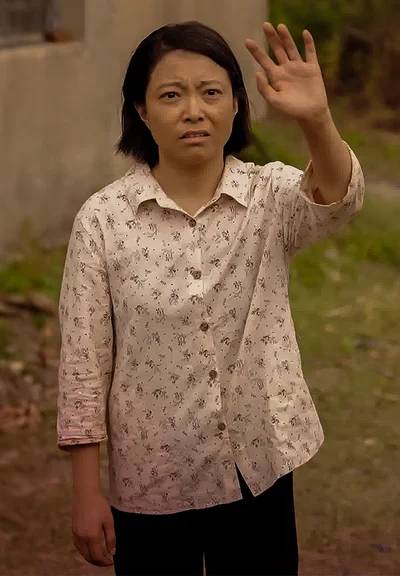
The show traces a long family crisis built around Amma, an elderly mother whose dignity and identity become battlegrounds as her son Matt tries to rise in status. It begins with Matt leaving home under promises of support, only for Amma’s later attempts to reconnect in the city to be blocked by security, denial, and Matt’s efforts to hide her as a mere aunty. What should be a reunion turns into a struggle over class shame, marriage, and social acceptance, especially as wives, in-laws, and wealthy connections make Amma’s presence seem threatening to carefully managed reputations. Across households and public spaces, Amma is repeatedly renamed, excluded, mocked, or forced into false roles, while Matt swings between filial duty, self-protection, and outright rejection. Domestic life grows more poisonous as accusations over cleanliness, theft, and missing valuables turn private resentment into open humiliation and threats of police involvement. A missing ring and other disputed objects become symbols of a deeper fight over who belongs, who can be trusted, and who controls the family story. At the same time, women trying to leave, return, or claim kinship are physically blocked, slapped, or shamed, showing how family honor is enforced through coercion as much as affection. Exclusive parties and invitation-only events widen the conflict into public spectacle, where gatekeepers and socialites weaponize status against older women, servants, and outsiders. Yet these humiliations also trigger reversals, as hidden ties, private invitations, and unexpected defenders expose cracks in the household’s version of legitimacy. Mr. Lan emerges as a decisive force when he openly claims the elderly woman as his biological mother and condemns those who humiliated her, shifting the struggle from domestic insult to open retaliation. From there, the family’s buried history becomes harder to suppress, with disputes over motherhood, parentage, and memory spilling into business alliances, canceled deals, and financial punishment. Amma herself becomes a moral center who can neither be easily discarded nor easily won back; even when Matt repents, she repeatedly refuses reconciliation and insists on preserving her dignity, sometimes by threatening to return to her village. Financial collapse raises the stakes further, pushing Matt toward desperate schemes involving the child Rick or Ricky and making hidden truths about the younger generation even more dangerous. Questions about the child’s parentage, forged or genuine invitations, broken promises, and legal proof all deepen the sense that the family’s official identity may be built on concealment. Crowds, relatives, and rivals begin pressing at the household from outside, threatening media exposure, legal action, and public disgrace unless certain women or elders are surrendered. In response, Matt sometimes defends Amma fiercely against abduction, street violence, and class-based insults, but his volatility also destroys trust inside the home, including clashes with his wife and demands for divorce. By the later arc, the central stakes are no longer just whether Amma will be acknowledged, but whether the family can survive the truth about its origins, loyalties, and heirs without losing its wealth, reputation, and remaining bonds. The show ultimately presents a fractured clan trapped between shame and devotion, where every attempt to protect honor only exposes deeper wounds around motherhood, belonging, and the price of social ambition.
The show traces a long family crisis built around Amma, an elderly mother whose dignity and identity become battlegrounds as her son Matt tries to rise in status. It begins with Matt leaving home under promises of support, only for Amma’s later attempts to reconnect in the city to be blocked by security, denial, and Matt’s efforts to hide her as a mere aunty. What should be a reunion turns into a struggle over class shame, marriage, and social acceptance, especially as wives, in-laws, and wealthy connections make Amma’s presence seem threatening to carefully managed reputations. Across households and public spaces, Amma is repeatedly renamed, excluded, mocked, or forced into false roles, while Matt swings between filial duty, self-protection, and outright rejection. Domestic life grows more poisonous as accusations over cleanliness, theft, and missing valuables turn private resentment into open humiliation and threats of police involvement. A missing ring and other disputed objects become symbols of a deeper fight over who belongs, who can be trusted, and who controls the family story. At the same time, women trying to leave, return, or claim kinship are physically blocked, slapped, or shamed, showing how family honor is enforced through coercion as much as affection. Exclusive parties and invitation-only events widen the conflict into public spectacle, where gatekeepers and socialites weaponize status against older women, servants, and outsiders. Yet these humiliations also trigger reversals, as hidden ties, private invitations, and unexpected defenders expose cracks in the household’s version of legitimacy. Mr. Lan emerges as a decisive force when he openly claims the elderly woman as his biological mother and condemns those who humiliated her, shifting the struggle from domestic insult to open retaliation. From there, the family’s buried history becomes harder to suppress, with disputes over motherhood, parentage, and memory spilling into business alliances, canceled deals, and financial punishment. Amma herself becomes a moral center who can neither be easily discarded nor easily won back; even when Matt repents, she repeatedly refuses reconciliation and insists on preserving her dignity, sometimes by threatening to return to her village. Financial collapse raises the stakes further, pushing Matt toward desperate schemes involving the child Rick or Ricky and making hidden truths about the younger generation even more dangerous. Questions about the child’s parentage, forged or genuine invitations, broken promises, and legal proof all deepen the sense that the family’s official identity may be built on concealment. Crowds, relatives, and rivals begin pressing at the household from outside, threatening media exposure, legal action, and public disgrace unless certain women or elders are surrendered. In response, Matt sometimes defends Amma fiercely against abduction, street violence, and class-based insults, but his volatility also destroys trust inside the home, including clashes with his wife and demands for divorce. By the later arc, the central stakes are no longer just whether Amma will be acknowledged, but whether the family can survive the truth about its origins, loyalties, and heirs without losing its wealth, reputation, and remaining bonds. The show ultimately presents a fractured clan trapped between shame and devotion, where every attempt to protect honor only exposes deeper wounds around motherhood, belonging, and the price of social ambition.
Mom is not Ugly is a Family Drama Story in Kannada, streaming on Kuku TV.
Mom is not Ugly has 69 episodes, watched over 996K+ times on Kuku TV.
Mom is not Ugly is available to watch in Kannada on Kuku TV.
Mom is not Ugly was released in 2025 and is streaming on Kuku TV.
Mom is not Ugly is rated A.
The cast of Mom is not Ugly includes Avocado films, Likhithaa Shree, and Praveen.
You can watch Mom is not Ugly online on Kuku TV or download the Kuku TV app to start playing. Open any episode above to start watching instantly.