•2025•35 Episodes•37K+
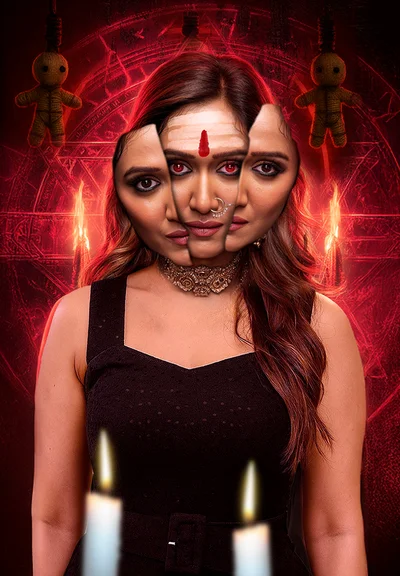
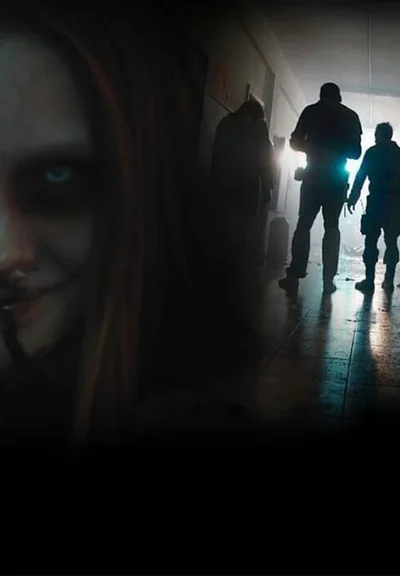
The show weaves together a horror-thriller arc in which staged hauntings, viral content schemes, and institutional cover-ups steadily collapse into undeniable supernatural and human violence. Much of the story centers on schools and abandoned school spaces, where mirror rituals, Bloody Mary rumors, and ghost-hunting productions begin as performances for attention, profit, or revenge but repeatedly trigger real injury, panic, and death. Early on, students and organizers treat hauntings as material to be filmed, manipulated, or sold, while administrators and production leaders try to contain fallout or turn it into publicity. That fragile control breaks down as a student is marked after a mirror ritual and falls into a coma, a school blast forces survivors into improvised shelter, and screams and collapses interrupt attempts to frame events as harmless spectacle. Multiple crews, investigators, and explorers then enter supposedly haunted locations expecting staged scares, only to face failed communications, entrapment, physical attacks, and signs that the entity they invoked or exploited is real. Across these threads, Bloody Mary and related revenant figures emerge less as a simple legend than as a recurring force tied to mirrors, blood, revenge, and the exposure of guilt. Characters repeatedly argue over whether to fight, flee, rescue others, or hide the truth, and those choices are complicated by distrust, old grievances, and competing motives such as fame, money, and self-protection. The school principal and other authority figures try to preserve order and reputation, yet each effort to manage the narrative is undercut by fresh evidence of danger. At the same time, darker human crimes run alongside the supernatural threat: captives are restrained, humiliated, filmed, blackmailed, or assaulted, and recorded images become weapons in their own right. Several storylines emphasize people trapped behind doors, in bathrooms, or inside sealed spaces, pleading for rescue while others dismiss the danger as a prank or performance until it is too late. Survivors and uneasy allies eventually learn that the haunting may no longer be confined to a single mirror or bathroom, forcing them to search schools and corridors for missing people, exits, weapons, and proof. One crucial discovery suggests that mirror glass itself can be used against Bloody Mary, turning the symbol of the curse into a possible means of resistance. Even so, confrontations remain chaotic and brutal, with storms, metallic struggles, distorted screams, and unresolved clashes leaving survival uncertain. Parallel media and TV-channel threads reinforce the same theme: ghost content made for ratings or commercial deals invites consequences that cannot be edited away. Public narratives also keep reversing, as supposed heroes or ghost-killers are recast as frauds or suspects once officials challenge the footage and motives behind it. By the later arc, coercion and spectacle become inseparable, with victims forced into humiliating roles while rumors announce that “Lady Mary” has returned and schoolyard prank plans spiral into official scrutiny. The overall stakes are both immediate and moral: characters are trying not only to survive a spreading supernatural menace, but also to escape the lies, exploitation, and revenge cycles that helped unleash or sustain it. Taken together, the show presents a world where every attempt to fake fear for clout, profit, or control risks summoning something far more destructive than anyone can manage.
The show weaves together a horror-thriller arc in which staged hauntings, viral content schemes, and institutional cover-ups steadily collapse into undeniable supernatural and human violence. Much of the story centers on schools and abandoned school spaces, where mirror rituals, Bloody Mary rumors, and ghost-hunting productions begin as performances for attention, profit, or revenge but repeatedly trigger real injury, panic, and death. Early on, students and organizers treat hauntings as material to be filmed, manipulated, or sold, while administrators and production leaders try to contain fallout or turn it into publicity. That fragile control breaks down as a student is marked after a mirror ritual and falls into a coma, a school blast forces survivors into improvised shelter, and screams and collapses interrupt attempts to frame events as harmless spectacle. Multiple crews, investigators, and explorers then enter supposedly haunted locations expecting staged scares, only to face failed communications, entrapment, physical attacks, and signs that the entity they invoked or exploited is real. Across these threads, Bloody Mary and related revenant figures emerge less as a simple legend than as a recurring force tied to mirrors, blood, revenge, and the exposure of guilt. Characters repeatedly argue over whether to fight, flee, rescue others, or hide the truth, and those choices are complicated by distrust, old grievances, and competing motives such as fame, money, and self-protection. The school principal and other authority figures try to preserve order and reputation, yet each effort to manage the narrative is undercut by fresh evidence of danger. At the same time, darker human crimes run alongside the supernatural threat: captives are restrained, humiliated, filmed, blackmailed, or assaulted, and recorded images become weapons in their own right. Several storylines emphasize people trapped behind doors, in bathrooms, or inside sealed spaces, pleading for rescue while others dismiss the danger as a prank or performance until it is too late. Survivors and uneasy allies eventually learn that the haunting may no longer be confined to a single mirror or bathroom, forcing them to search schools and corridors for missing people, exits, weapons, and proof. One crucial discovery suggests that mirror glass itself can be used against Bloody Mary, turning the symbol of the curse into a possible means of resistance. Even so, confrontations remain chaotic and brutal, with storms, metallic struggles, distorted screams, and unresolved clashes leaving survival uncertain. Parallel media and TV-channel threads reinforce the same theme: ghost content made for ratings or commercial deals invites consequences that cannot be edited away. Public narratives also keep reversing, as supposed heroes or ghost-killers are recast as frauds or suspects once officials challenge the footage and motives behind it. By the later arc, coercion and spectacle become inseparable, with victims forced into humiliating roles while rumors announce that “Lady Mary” has returned and schoolyard prank plans spiral into official scrutiny. The overall stakes are both immediate and moral: characters are trying not only to survive a spreading supernatural menace, but also to escape the lies, exploitation, and revenge cycles that helped unleash or sustain it. Taken together, the show presents a world where every attempt to fake fear for clout, profit, or control risks summoning something far more destructive than anyone can manage.
Ghost Killer vs Bloody Marry is a Horror Story in Kannada, streaming on Kuku TV.
Ghost Killer vs Bloody Marry has 35 episodes, watched over 37K+ times on Kuku TV.
Ghost Killer vs Bloody Marry is available to watch in Kannada on Kuku TV.
Ghost Killer vs Bloody Marry was released in 2025 and is streaming on Kuku TV.
Ghost Killer vs Bloody Marry is rated A.
The cast of Ghost Killer vs Bloody Marry includes Likhithaa Shree, Praveen, and LYGAA STUDIOS.
You can watch Ghost Killer vs Bloody Marry online on Kuku TV or download the Kuku TV app to start playing. Open any episode above to start watching instantly.